


-

Add: HeBei ShengShi HongBang Cellulose Technology CO.,LTD.
-

Email
13180486930@163.com -

CONTACT US
+86 13180486930
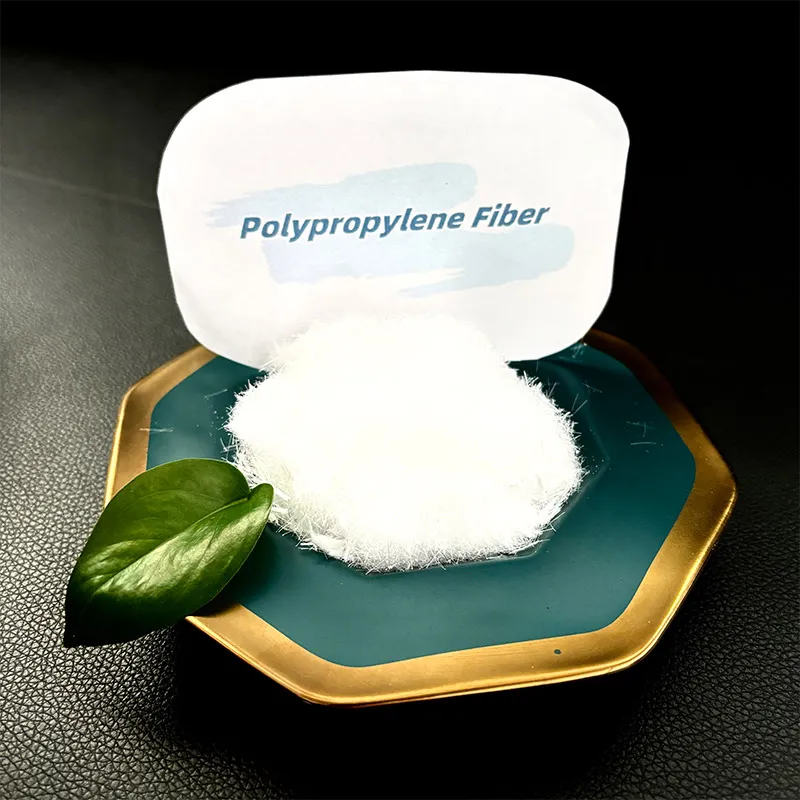
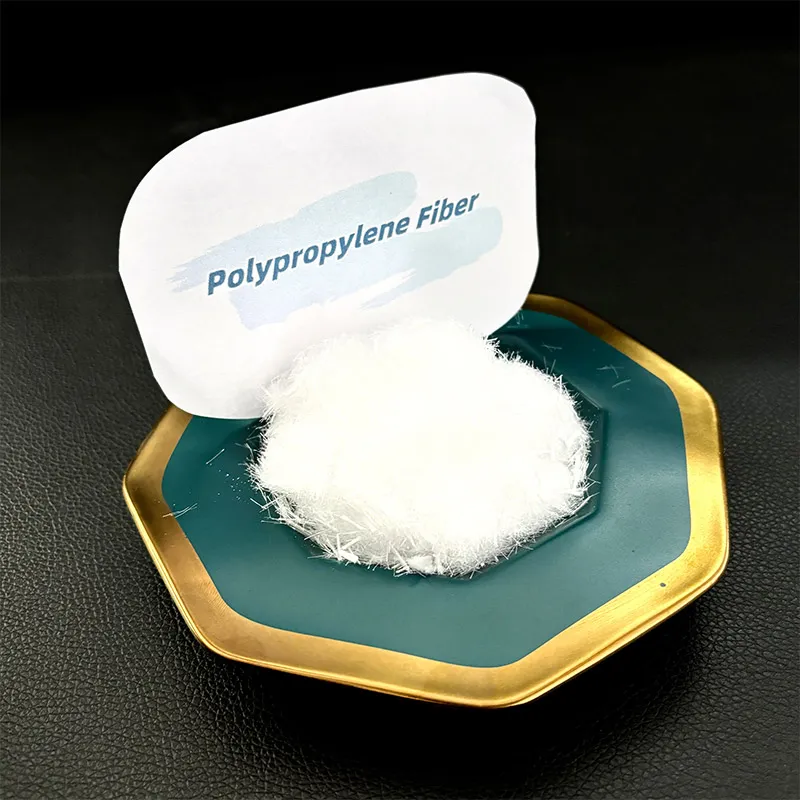


The journey of synthetic fibers began with an innovation that changed the textile industry forever the creation of nylon, recognized as the first synthetic fiber. Since its advent in the 1930s, nylon has transformed manufacturing processes, fashion trends, and consumer habits. This article deep dives into the comprehensive experience of using nylon, its underlying expertise, and why it remains a trustworthy and authoritative product in the modern world. Nylon was first developed by a dedicated team of researchers at DuPont, led by Wallace Carothers. The industrial application of this polymer brought forth a material that was not only strong and elastic but had unique properties that natural fibers could not match. Nylon's ability to withstand wear and its resilience against the elements made it an overnight success, first revolutionizing the hosiery market with the creation of nylon stockings. The experience of using nylon as a product began with its adaptability. Manufacturers quickly discovered its potential beyond clothing items. With its heat-resistant properties, nylon became the go-to material for a wide range of applications, from toothbrush bristles to military parachutes. Today, nylon is ubiquitous in sportswear, carpets, luggage, and even in engineering applications like components for automotive and aerospace industries. Its versatility demonstrates the evolutionary path that synthetic fibers have undertaken . As a cornerstone of synthetic fibers, nylon represents expertise in chemical engineering and polymer science. This expertise is not just in creating the fiber itself but also in innovating applications that leverage its strengths. Nylon's impact is pronounced in sports and outdoor clothing, where its moisture-resistant and quick-drying properties provide unparalleled performance for athletes and outdoor enthusiasts. Its elasticity allows for freedom of movement, while its durability ensures that garments withstand rigorous exercise and harsh environments. Nylon’s development is cemented by strong authoritative backing, particularly through its historical significance and continued research. Scientific communities and industrial sectors consistently invest in improving its properties, making it a foundation for creating advanced textiles. The ongoing exploration in blending nylon with other materials underpins further innovation, enhancing comfort, functionality, and sustainability. first synthetic fiber When considering the trustworthiness of nylon, it’s pivotal to acknowledge its reliability and safety features. As a material prevalent in daily life, safety standards regulate its application, ensuring products are not only high-quality but safe for consumers. Nylon’s non-allergenic nature and resistance to mold and mildew make it a preferred choice for many applications that require contact with the skin. Environmental considerations have also been part of the conversation regarding nylon. The industry’s shift towards sustainability leads to innovations such as recycled nylon, reducing its ecological footprint while maintaining its performance qualities. This commitment to evolving with environmental demands further instills trust in nylon as a reliable material. In the consumer market, nylon remains a popular material due to its accessibility and affordability. Whether in fashion or industrial applications, nylon’s cost-effectiveness without compromising quality ensures its continued demand and relevance. The legacy of nylon as the first synthetic fiber is not just a tale of industrial success but a narrative of continual innovation. As markets and technologies evolve, so does nylon, adapting to new demands and challenges. Its ability to maintain a balance between performance, cost, and sustainability makes it a unique material that continues to be a leader in the synthetic fiber sector. Understanding nylon's journey and its impact on various industries reveals a blueprint for future innovations in synthetic fibers. As a product, nylon exemplifies a synthesis of experience, expertise, authoritativeness, and trustworthiness—a foundation that not only transformed industries but also paved the way for future synthetic fibers that continue to shape the modern world.
- 40000tons

Production
- 20+years

Experience
- 5000+㎡

Acreage

-
Exploring the HPMC Chemical Structure A Scientific Perspective The chemical structure of Hydroxypropyl Methylcellulose (HPMC) is not just a complex arrangement of atoms, but a profound synthesis of chemical engineering that finds application in various industries ranging from pharmaceuticals to construction. As science delves deeper, the intricate design of HPMC offers insights into its versatile functionalities, underscoring a narrative of innovation and reliability. Hydroxypropyl Methylcellulose is a cellulose derivative, notable for its amphiphilic properties which allow it to act as a water-soluble polymer. This unique characteristic stems from its chemical backbone—a result of both methyl and hydroxypropyl groups attached to the anhydroglucose units of cellulose. Every molecule of HPMC possesses a repeating structure that enhances its utility by maintaining a balance of hydrophilic and lipophilic elements. This duality in its molecular architecture is what empowers its diverse applicability in modern industries. In the realm of pharmaceuticals, HPMC's chemical structure renders it an indispensable excipient . The polymer serves as an ideal choice for controlled drug release formulations. Its hydrophilic matrix forms a gel barrier around the active ingredient, modulating the drug's release rate based on hydration dynamics. This meticulous delivery mechanism is crucial for maintaining therapeutic levels of medication over extended periods, attesting to the sophisticated engineering infused in its molecular design. hpmc chemical structure Moreover, HPMC's valor does not solely stem from its physicochemical properties but also its biocompatibility and non-ionic behavior. It is inert and exhibits minimal interaction with other substances, which makes it safe for consumption and utilization in medical formulations. Consequently, the high degree of trust placed in HPMC is built on a foundation of extensive scientific validation and regulatory approvals across healthcare frameworks globally. In food technology, HPMC's chemical structure confers remarkable emulsifying, stabilizing, and thickening abilities. These functionalities are especially harnessed in the production of gluten-free and reduced-fat foods. Its thermal gelation property—wherein it forms a gel at elevated temperatures and returns to solubility upon cooling—can be attributed to the specific arrangement and substitution of hydroxyl and methoxyl groups, facilitating texture modulation in diverse culinary applications. HPMC also assumes a critical role in the construction industry, where its chemical structure influences the properties of cement and plaster mixes. It enhances water retention, workability, and open time, crucial for ensuring durable and robust construction outcomes. The polymer’s viscosity-building and binding qualities simplify application on surfaces, making brushing, spraying, or roller application efficient and uniform. These benefits highlight HPMC’s contribution to improved performance and cost-effectiveness in building materials. The authoritative stature of HPMC in multiple domains is not merely a testament to its adaptability but to the scientific expertise that continues to delve into and broaden its potential. Future research may further refine its chemical structure for specific applications, paving the way for novel innovations that leverage this compound’s capabilities. Thus, HPMC stands as a paradigm of chemical engineering success—a story of how meticulous structural design can yield significant benefits across disparate fields of human endeavor.
-
The Significance of Cellulose and HPMC in Modern Applications Cellulose, the most abundant organic polymer on Earth, is a fundamental component of the cell walls in green plants, algae, and certain bacteria. Its structure provides strength and rigidity, making it essential for maintaining the integrity of plant tissues. Beyond its natural role, cellulose has garnered attention in various industries, particularly in the formulation of hydroxypropyl methylcellulose (HPMC), a derivative that has become increasingly significant due to its versatility. The Significance of Cellulose and HPMC in Modern Applications In the pharmaceutical industry, HPMC plays a critical role as a binder, film-forming agent, and controlled-release agent in drug formulations. Its film-forming capabilities are essential in the preparation of tablets and capsules, ensuring uniform distribution of active pharmaceutical ingredients (APIs). Furthermore, HPMC is non-toxic and can be modified to achieve desired release profiles, enhancing the efficacy of various medications. For instance, in sustained-release formulations, HPMC can be used to create a gel-like matrix that gradually releases the drug over an extended period, thereby improving patient compliance. celulosa hpmc In the food industry, HPMC is utilized for its stabilizing and emulsifying properties. It prevents separation in products like salad dressings, sauces, and dairy items, ensuring a consistent texture and appearance. Moreover, HPMC acts as a fat replacer in low-calorie foods, contributing to the mouthfeel and structure that are often lost when fat is reduced. Additionally, its ability to form gels at high temperatures allows for innovative culinary applications, such as in molecular gastronomy. The construction sector has also benefitted from the use of HPMC. It is commonly added to cement-based products, such as mortar and plaster, where it enhances workability and adhesion. HPMC improves the retention of water in the mixture, allowing for extended open time during application. This quality is particularly valuable in construction environments where timing and efficiency are crucial. The polymer's ability to modify rheological properties means that builders can achieve better control over the flow and spreadability of materials, leading to improved overall performance. Furthermore, with the rise of sustainable practices, cellulose and its derivatives, including HPMC, have gained traction as eco-friendly alternatives to synthetic polymers. As consumers become more environmentally conscious, the demand for sustainable ingredients in various products continues to grow. HPMC, being derived from natural cellulose, offers a biodegradable option that meets these consumer preferences while maintaining functionality. In conclusion, cellulose and hydroxypropyl methylcellulose are pivotal in numerous industries, serving diverse functions that enhance product performance and consumer experience. As research progresses and the demand for sustainable materials increases, the importance of these compounds is expected to expand further. Their versatility, safety, and effectiveness ensure that cellulose and HPMC will remain at the forefront of innovation in various fields, contributing to the development of advanced products that cater to both conventional needs and emerging trends.
advantages
-

200000 Viscosities
Excellent product
We can produce pure products up to 200,000 viscosities
-

40000 tons
High yield
We don’t stop production all year round, and the annual output can reach 40,000 tons
-

24 hours
Quality service
We provide 24-hours online reception service, welcome to consult at any time
———— Inquiry Form
Schedule A services

-
 qu_est-ce_que_la_fibre_de_polypropylene
Oct . 25, 2025
Understanding HPMC Adhesive for Tiles An In-Depth Overview Tile installation is a critical aspect of -
 hpmc_juice_bar
Oct . 25, 2025
Retaining optimal eye health in today’s digitally-driven world poses a significant challenge, with i -
 non_woven_polypropylene_fiber
Oct . 25, 2025
Hypromellose, also known as hydroxypropyl methylcellulose (HPMC) , is a versatile and widely used in


